I'm Manuel. My design background started in advertising and photography, before I ever touched a product.
At Lengoo that became product design combined with ownership, Flow's trust systems, then HALOS Console solo. At Cognigy I went further technical, APIs, logs, model behavior.
I'm looking for Product Designer roles where that whole arc matters. Brand instinct. Product ownership. Real technical fluency. Companies building AI-driven or technically complex products. Berlin, hybrid, or remote.
Brand instinct.
Nine years in advertising and photography before product. That's where I learned what makes someone trust something instantly, or not at all.
Product ownership.
Design combined with real ownership at Lengoo. I designed Flow's trust systems, then took HALOS Console on solo.
Real technical fluency.
Conversational AI at Cognigy. APIs, logs, model behavior. Most designers never touch that layer. I stay close to it on purpose.
Selected Work
Selected work. One pattern: see a broken workflow, build the system that fixes it.
Product Design · AI Systems · Lengoo
+15%
HALOS: AI Model Customization
Designed the interface for training and deploying custom AI models end to end. Result: +15% CSAT and +20% adoption.
DiscoveryUX StrategySystem Design
Read case study
↗
AI Governance · Automation · Lengoo
85%
Project Echo: MT Quality Loop
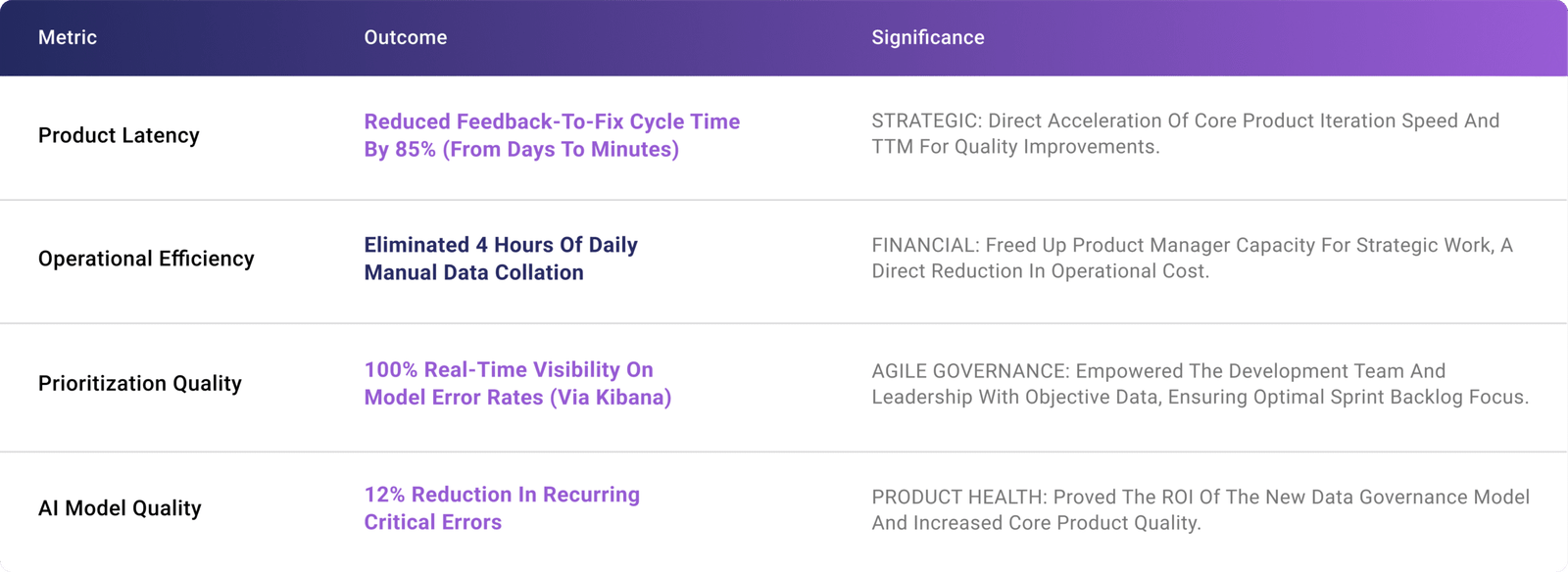
Built a real time feedback pipeline that cut latency by 85% and automated P1 triage across four engineering teams via Jira.
Read case study
↗
Co-Founder · Brand & Digital · 9 years
+60%
Aneekaa: Studio and Growth
Co built a studio trusted by Adidas, Zalando, and Blinkist. 100% on time delivery across 20+ clients and 60% repeat business.
Read case study
↗
Product Design · AI Initiative · Enterprise SaaS
70%
Signal: Feedback Routing
AI-powered routing system that cut misrouted tickets by 70% and got urgent issues to the right team in under 24 hours.
Read case study
↗
Brand Identity · Logo Design · Marketing
360°
HALOS Console: Brand and Design
Built the HALOS Console brand from zero: logo, color system, and marketing assets. Then applied it consistently across product and sales.
View work
↗
Where I've worked
Cognigy
Product Support Engineer
Debugs conversational AI in production, hands on with model behavior and failure modes
Lengoo
Product Designer & Product Owner
Designed Flow's trust and confidence scoring, cut translation time 50 percent
Aneekaa Studio
Co-Founder
Brand and product design for Adidas, Zalando, Blinkist, and Fotografiska
Client work with Adidas, Zalando, Blinkist, and Fotografiska
Credentials
Education
MA in Photography, Espai d'art Fotogràfic de València BA in Advertising, Universidad Jorge Tadeo Lozano Product Manager: AI Program, IU Akademie Berlin
Certifications
Spezialist:in für agiles Projekt- und Prozessmanagement, IFM PSPO I, Scrum.org PSM I, Scrum.org
Currently building
What I'm shipping right now.
Build in progress
Kōr: AI eval framework
Evals are how AI products earn their place, proven with 5 scenarios and 3 models on a sport-recovery concept.
5 scenarios3 modelsClaude-as-judge scoringLive on n8n
Running since Mar 2026
Joblyst: job discovery, interview drills
A self-hosted automation stack built to run my own six-month search, now adding interview drills and becoming a product for others.
Job discovery agentCover letter generatorInterview drillsJob-fit scoringClaude & OpenAI APIs
In production at Cognigy
Signal: feedback intelligence
A feedback classifier that cut misrouted tickets by 70% in two sprints, scoring across 4 categories and 3 severities.
"Manu brings a rare blend of creative depth and technical versatility, strong audiovisual production skills, a sharp understanding of product and UX/UI strategy, and an instinct for building solutions that truly work. Whenever he's involved, the entire environment becomes more focused and more capable. I recommend him wholeheartedly."
Yousef
Global VP Brand Development & Community, Fotografiska International
"Working with Manuel was truly a blast. His project management skills earned a lot of trust in project development and asset management, and his creativity brought real innovation into our final solutions."
Camila
Product Design Team Lead, Aleph Alpha
"Manuel approached every challenge with determination and a proactive mindset. His greatest strength was taking initiative, ensuring technical issues were resolved efficiently. He was never afraid to seek input from colleagues, making him a strong problem solver and a great team player."
Ian
Technical Support Lead, Cognigy
"Manu is an outstanding professional with a remarkable blend of technical expertise and interpersonal skills. His ability to learn quickly and adapt, combined with strong analytical skills, lets him resolve issues efficiently while keeping customers satisfied. He communicates complex technical concepts clearly to both colleagues and clients."
Nico
Technical Support Team Lead, Cognigy
Ways we can work together
Three ways in.
01
Product Designer role
A permanent design role at a product-led company. AI, B2B SaaS, or technical platforms. Berlin, hybrid, or remote. Own a product area end to end.
02
Project-based work
Fixed-scope engagements where AI fluency matters. Discovery sprints, MVP scoping, AI tooling, eval frameworks. Two-week minimum.
03
15-min intro call
Not sure which mode fits? Start here. Quick conversation, no commitment.
Permanent Product Designer roles, project work, or a 15-minute intro to see if there is a fit. B2B SaaS, AI, technical platforms. Berlin, hybrid, or remote. I reply the same day.
Product Manager / Product OwnerEnterprise AI · B2B SaaSLengoo · Berlin
The AI Model Customization Initiative
I owned the AI Model Customization initiative, a core part of Lengoo's HALOS Console. The goal was simple: replace a fragile, manual workflow with a product teams could rely on.
+15%
CSAT lift
+20%
Feature adoption
+20%
User efficiency
+30%
Product engagement
The challenge
HALOS Console had the technical foundation. But the core workflow — how teams configured and customized their ML models — was held together with scripts, tribal knowledge, and a lot of Slack messages to Engineering. There was no clear interface, no visible model state, and no way for non-technical users to act without help.
The result was a constant support load on Engineering and a product that felt inaccessible to the people who needed it most.
How I approached it
I combined interviews, usage signals, and a hard look at where the workflow broke down. Then I shaped the scope so we could ship improvements quickly without painting ourselves into a corner.
1. Start with the friction, not the feature
I ran 20+ interviews with linguists, PMs, and customer success teams — not to validate a roadmap, but to understand where the workflow was actually breaking. Most of the friction was invisible in analytics. It only showed up in conversations.
Those interviews shaped the scope. We did not build what was easiest. We built what removed the most pain.
2. Map before building
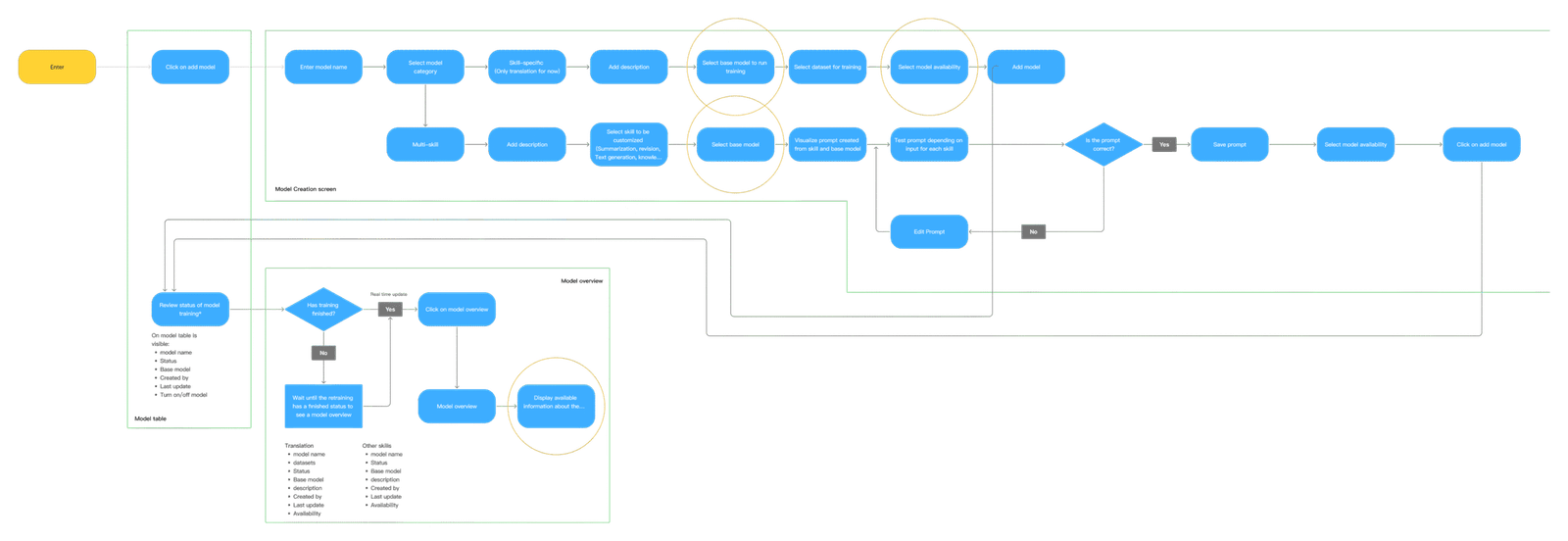
Before any spec was written, I mapped the end-to-end model customization workflow — from a user's first action to a deployed model. That map exposed three handoff points where context was lost and users had to go find someone in Engineering.
It became the shared reference for the whole team. Designers, engineers, and CS all worked from the same picture of the problem.
3. Ship in phases, with pre-defined KPIs
We moved from monthly to bi-weekly releases. But the cadence was not the goal — the feedback loop was. Each release had defined success metrics (adoption, task completion, support volume) so we knew within two weeks whether to push forward or adjust.
That discipline is how we hit +15% CSAT without a big-bang launch.
What we shipped
We turned a set of scripts and tribal knowledge into a clear product experience. The goal was not "more features". It was fewer mistakes, faster iteration, and a workflow that felt safe to use.
LLM Interface
A single view where users could see the state of every model — no more pinging Engineering to ask what was running. Status was visible, actions were clear, and edge cases were handled in the UI instead of falling through to a support ticket.
Tabular model management with real-time status
Inline status indicators for active, pending, and error states
Edge case handling built into the interface
Responsive across screen sizes
Machine Translation Interface
Users needed control over when models ran and what they cost. The On-demand vs Always ON toggle was a small decision with real cost implications. We made it obvious, with immediate feedback so users understood what they were switching before they switched it.
On-demand vs Always ON toggle with cost context
Performance tuning controls with visible trade-offs
Clear visual feedback on state changes
Accessible data presentation for non-technical users
Performance Dashboard
Before this, performance data lived in Kibana — accessible to engineers, invisible to everyone else. The dashboard brought the key metrics into the product so PMs, CS, and linguists could see what was happening without filing a request.
Real-time performance metrics in-product
Visual trend representation for non-technical readers
Actionable insights surfaced directly in the workflow
Results
The most telling signal: teams stopped filing tickets asking Engineering how to use their own platform. The workflow was now something people could navigate on their own.
15%
CSAT improved after the workflow redesign
20%
Adoption increased once the flow became predictable
20%
Users completed key tasks faster with fewer retries
30%
Engagement rose after we improved clarity and release cadence
Project ECHO fixed a painful truth: feedback reached engineers days too late. I connected structured linguist feedback to the backlog so issues showed up fast, clearly, and in the right order.
85%
Latency reduction
Real-time
Error visibility via Kibana
4 teams
Coordinated across org
P1
Automated Jira triage
Why
What was broken
We had systemic latency in the MT feedback loop across four teams: Linguistics, Front End, Data Engineering, and ML. The manual process added days of delay between a linguist spotting an issue and an engineer acting on it. That delay directly hurt quality and iteration speed.
Why it compounded
The friction was pushing expert linguists out of the loop, which meant the models lost high-quality training signal. Once linguists stopped flagging issues, the data degraded silently. The mandate was clear: remove the latency, automate triage, and keep the feedback loop alive.
What
Vision: Turn the feedback to fix cycle from a bottleneck into an advantage. Near zero latency iteration and an always on quality signal.
Three concrete deliverables:
Enforce structured data governance on all linguist inputs with a standard error taxonomy (type and severity)
Achieve 100% real-time visibility on error trends via Kibana dashboards
Automate P1 Jira ticket creation based on objective severity thresholds so the backlog reflects the highest impact issues
How
1. Data Governance First
I worked with Data Science to define a structured error taxonomy. We used Kibana and Datadog to identify the top 5 error classes driving 80% of rework. Those became the initial schema.
Result: objective, unambiguous Definition of Done. No more backlog refinement debates about severity.
2. Unblock All Teams in Sprint 1
I prioritized the data contract (JSON schema plus API endpoints) as the first sprint deliverable. That unlocked parallel work across all four teams and removed a major dependency risk.
3. Technical Spec Ownership
I wrote the technical spec for the ingestion layer and the Jira integration as a single source of truth. That clarity reduced back and forth and made sprint planning faster.
Kibana dashboard showing real time MT error trends. P1 issues automatically surface in Jira without manual triage.
Results
When you remove friction from a feedback process, people use it. Linguist participation went back up, error trends became visible in real time, and Engineering stopped triaging tickets manually.
Concept & Design Consultancy · Berlin / Spain · 2015 to 2024
Nine years. No templates. Ever.
I co-founded Aneekaa and ran it for nearly a decade. Brand, web, photography, and video for clients who needed things done properly. Every project from scratch. Every project delivered.
Role
Co-Founder & Creative Director
Location
Berlin · Madrid
Duration
2015 to 2024
Disciplines
Brand · Web · Photo · Video
9yr
Running the studio
20+
Clients delivered
60%
Repeat business rate
100%
On-time, on-budget
About the studio
Aneekaa was built from nothing. No clients, no reputation, no safety net. Just a clear idea of what good creative work looks like and the discipline to deliver it consistently.
We worked with restaurants, startups, cultural venues, and international brands. The brief was always different. The standard was always the same.
"Strategy without execution is theory. Execution without strategy is noise. Running Aneekaa taught me to hold both at the same time."
What we did
04 disciplines
📷
Photography
Food & beverage
Interior & architecture
Product & commercial
Fashion & editorial
✏️
Design
Brand identity
Web design
Editorial
Stationery & print
🎬
Video
Brand promo
Corporate
Motion graphics
Animation
🌐
Web
Custom WordPress
E-commerce
Multilingual
Reservation systems
Project 01 / 05
Web Design · Photography · Berlin
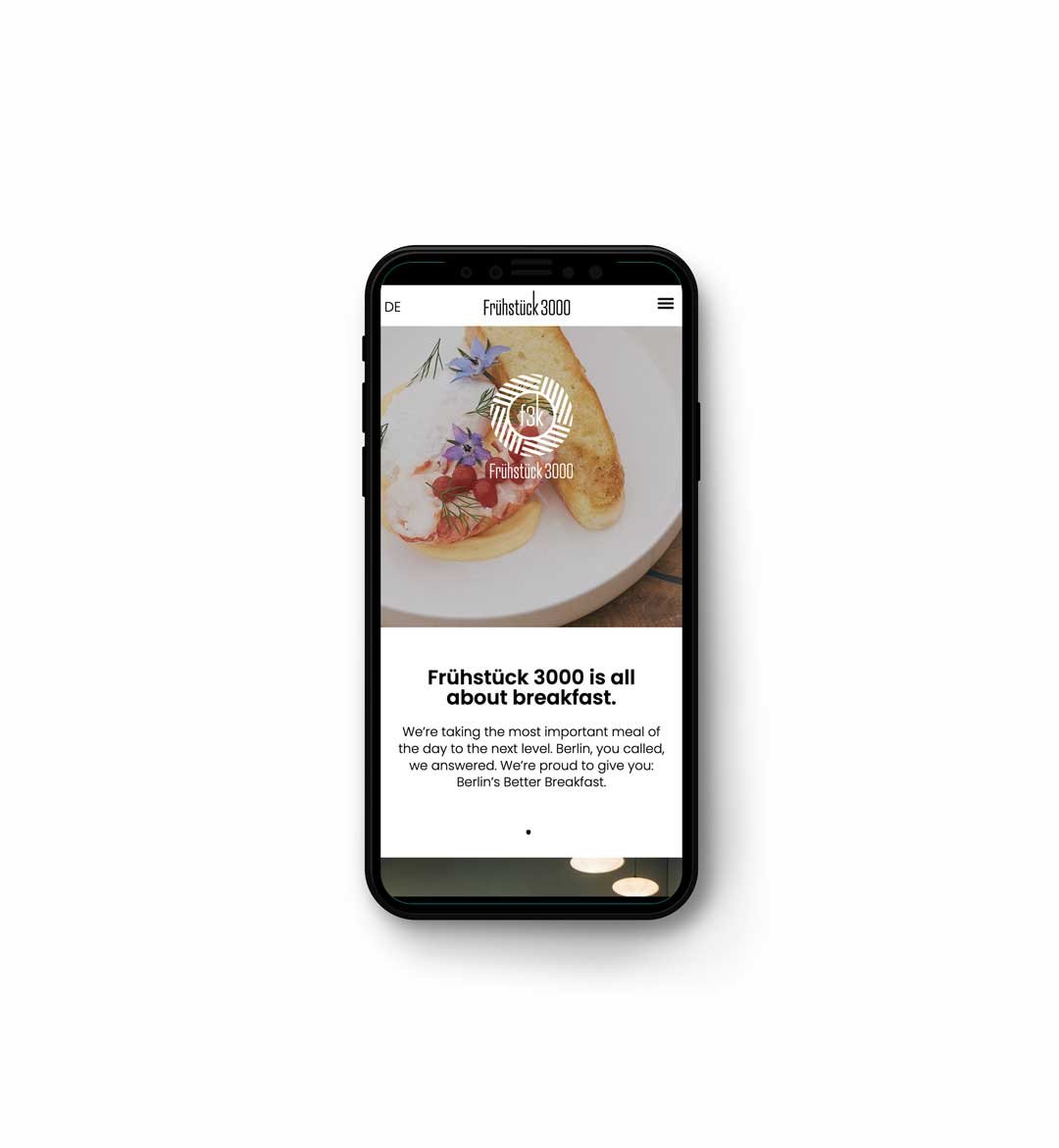
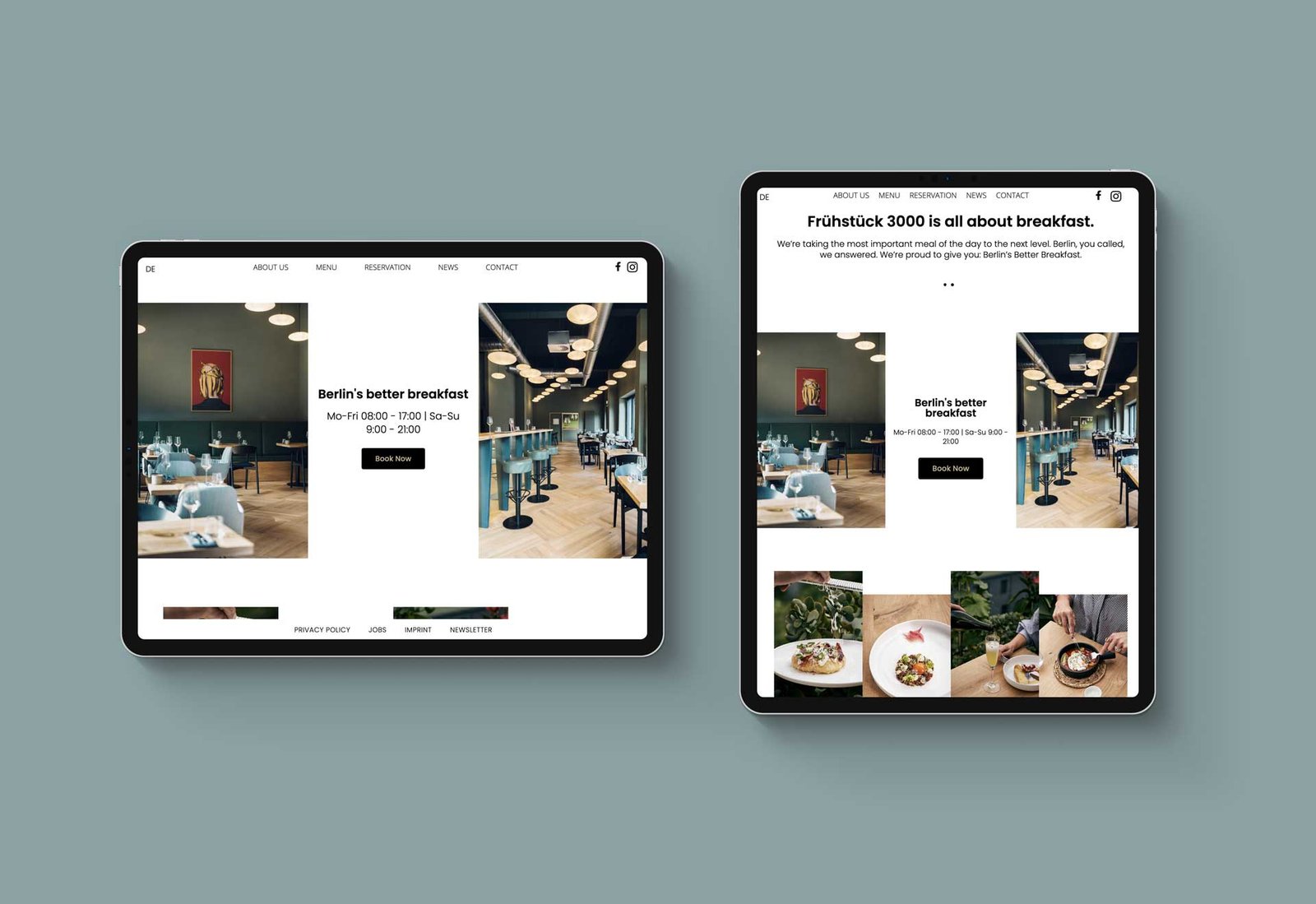
Fruehstueck 3000
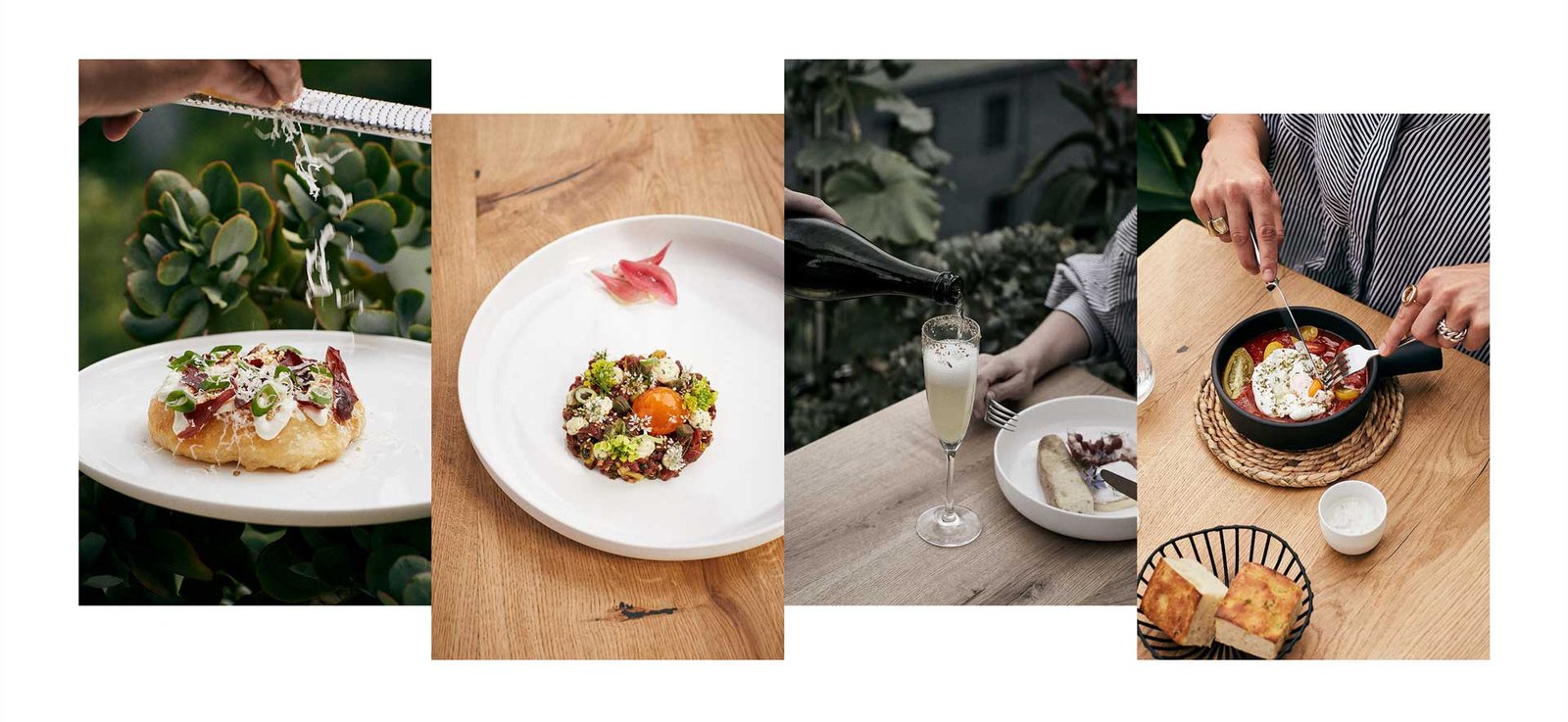
Berlin's better breakfast. We built the full digital presence from scratch: custom WordPress, reservation integration, multilingual setup, and a complete food and interior photography shoot. Every image on the site is ours.
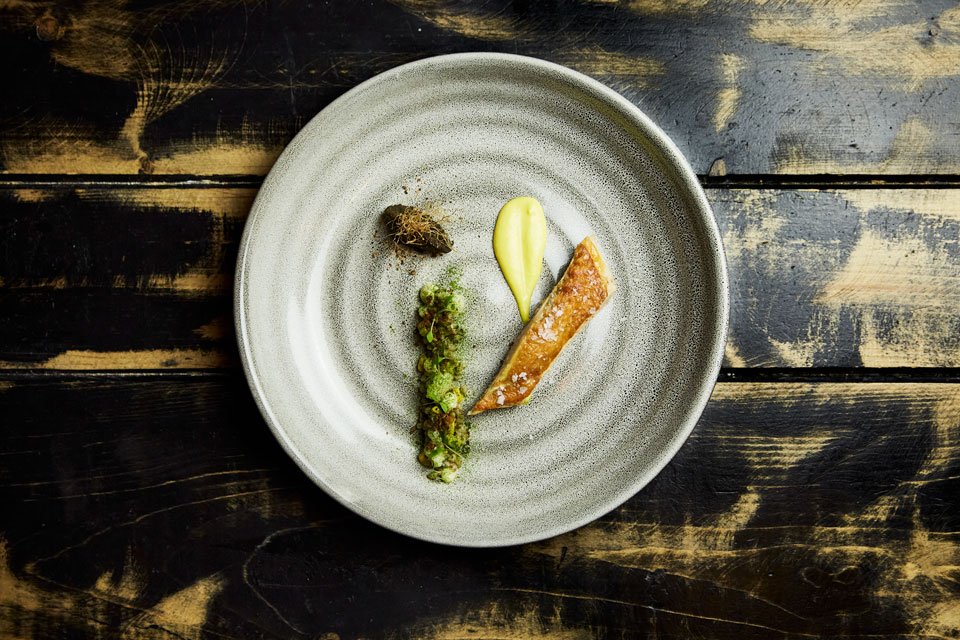
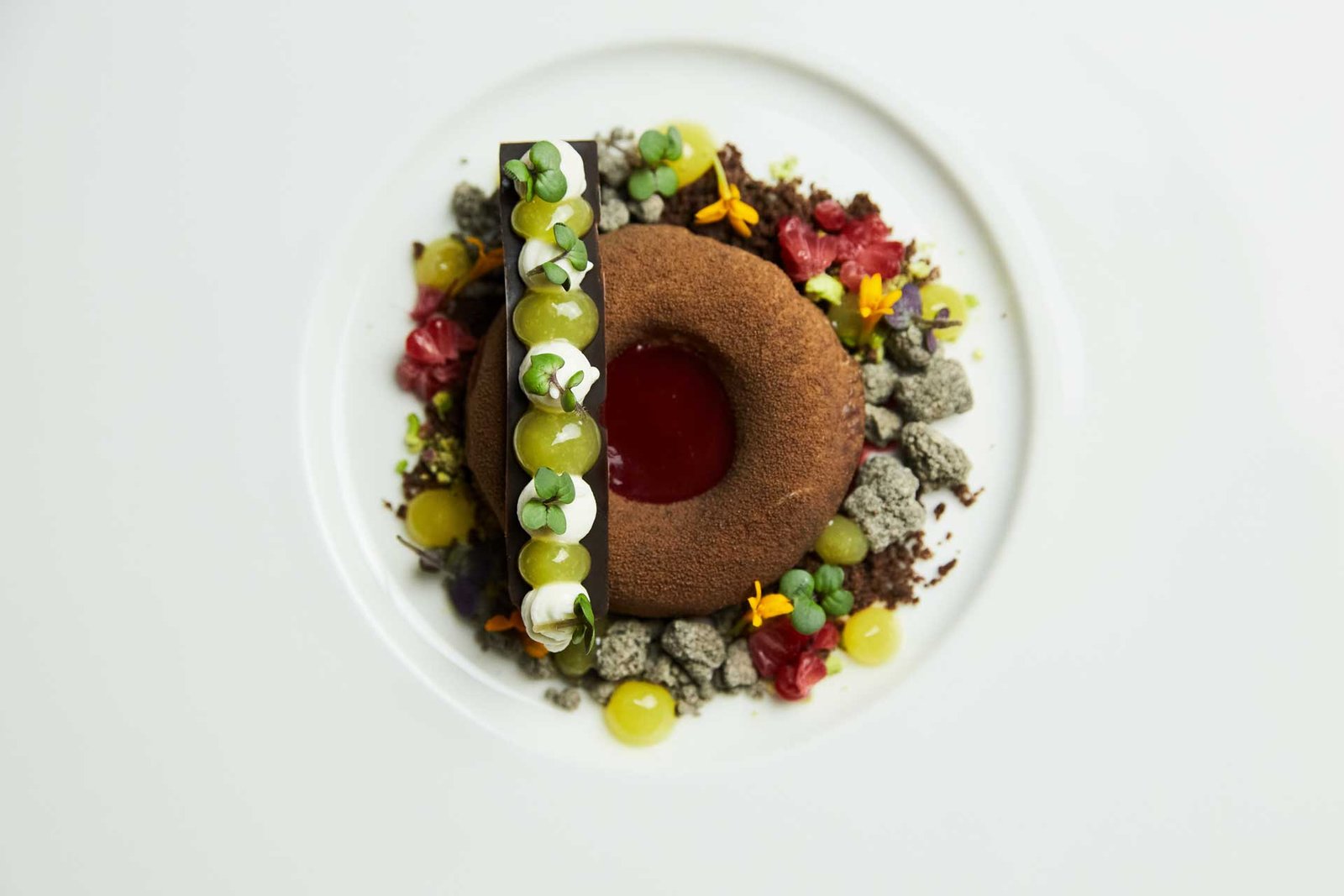
Italian restaurant in Berlin. Full food and interior photography across multiple sessions. The brief: make the food look as good as it tastes, and make the space feel like somewhere worth going on a Tuesday night.
Shot on location. Images used across restaurant's marketing, social, and web presence. Delivered same week.
Project 03 / 05
Brand Identity · Bogotá
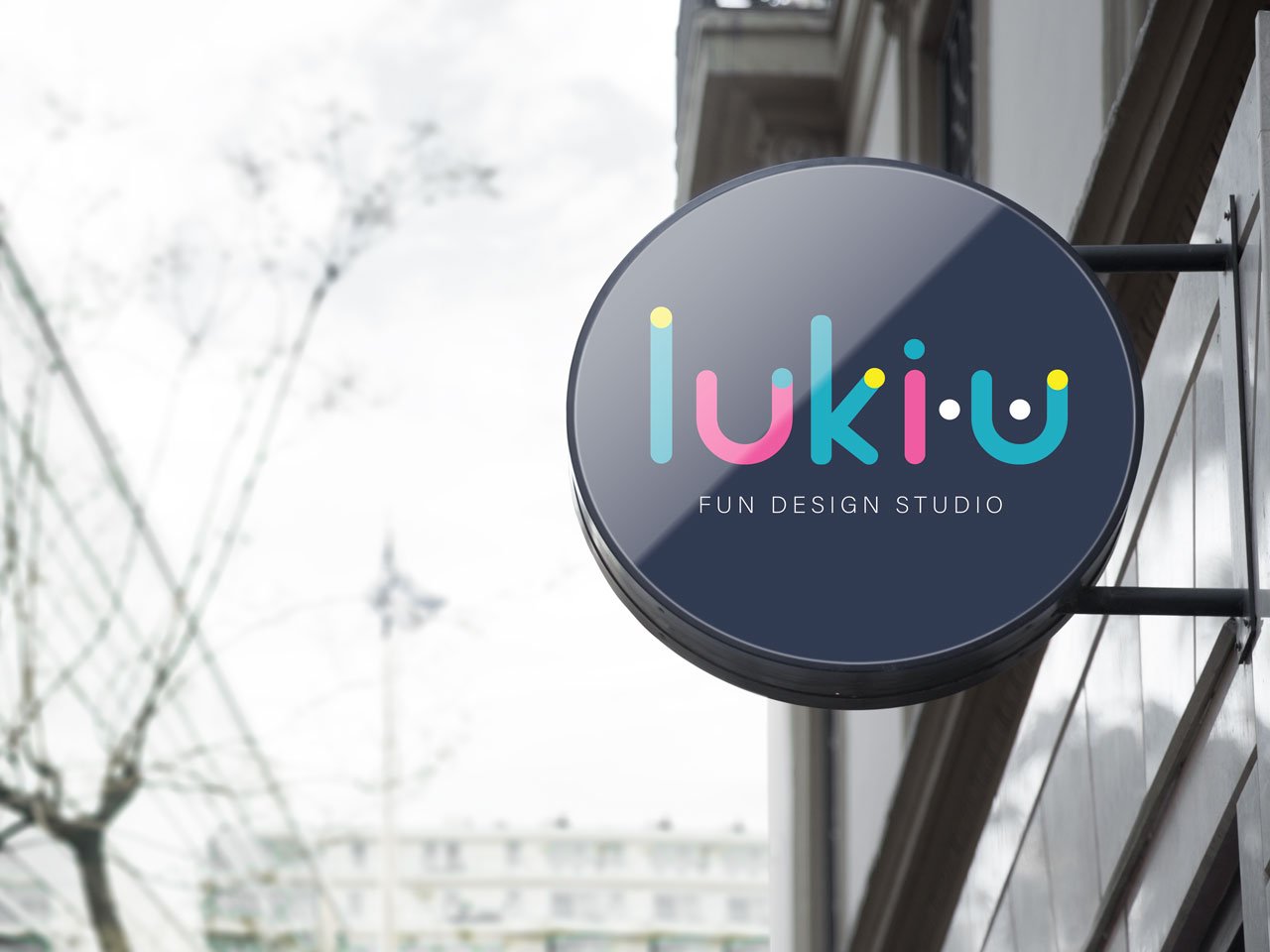
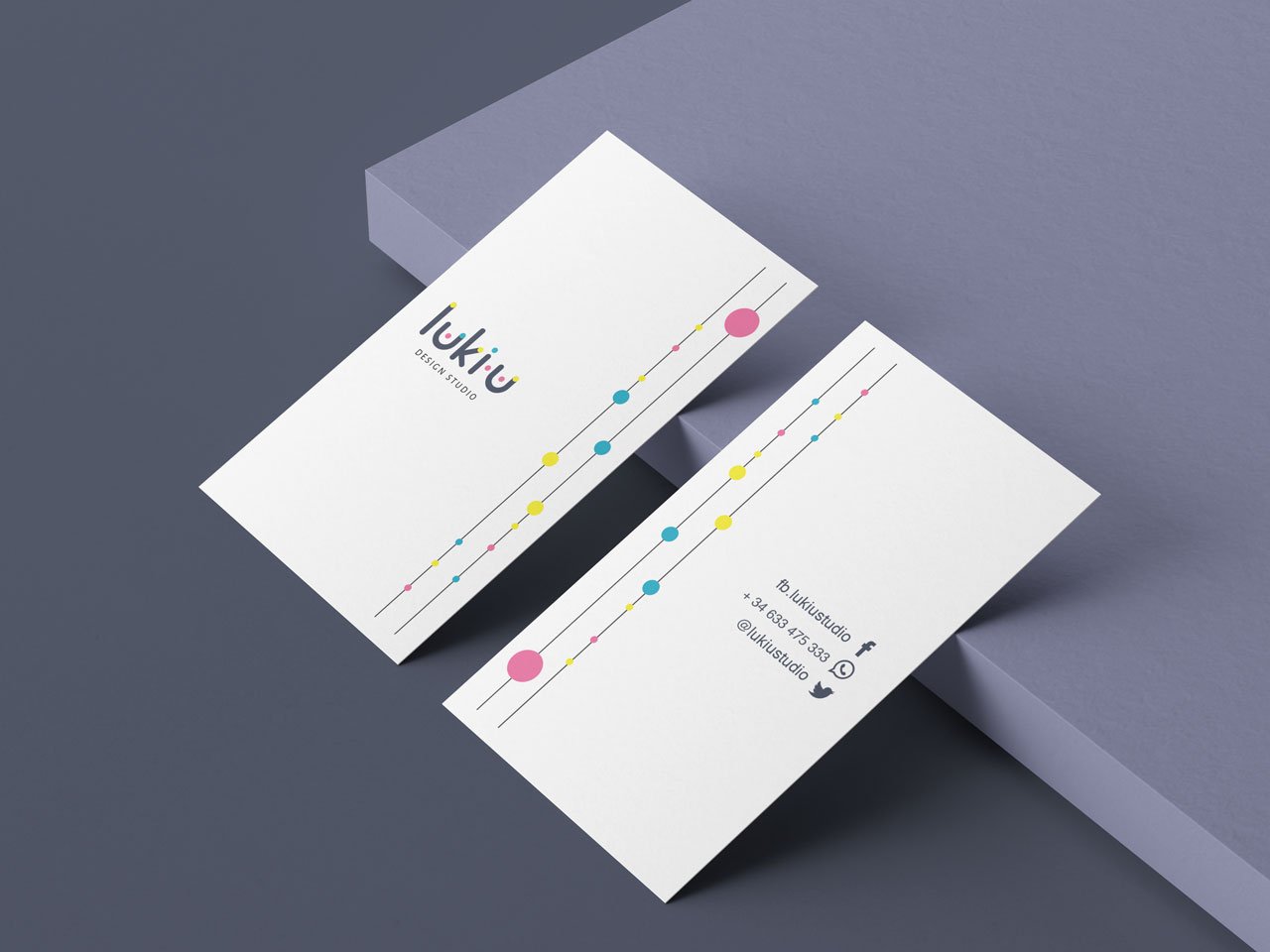
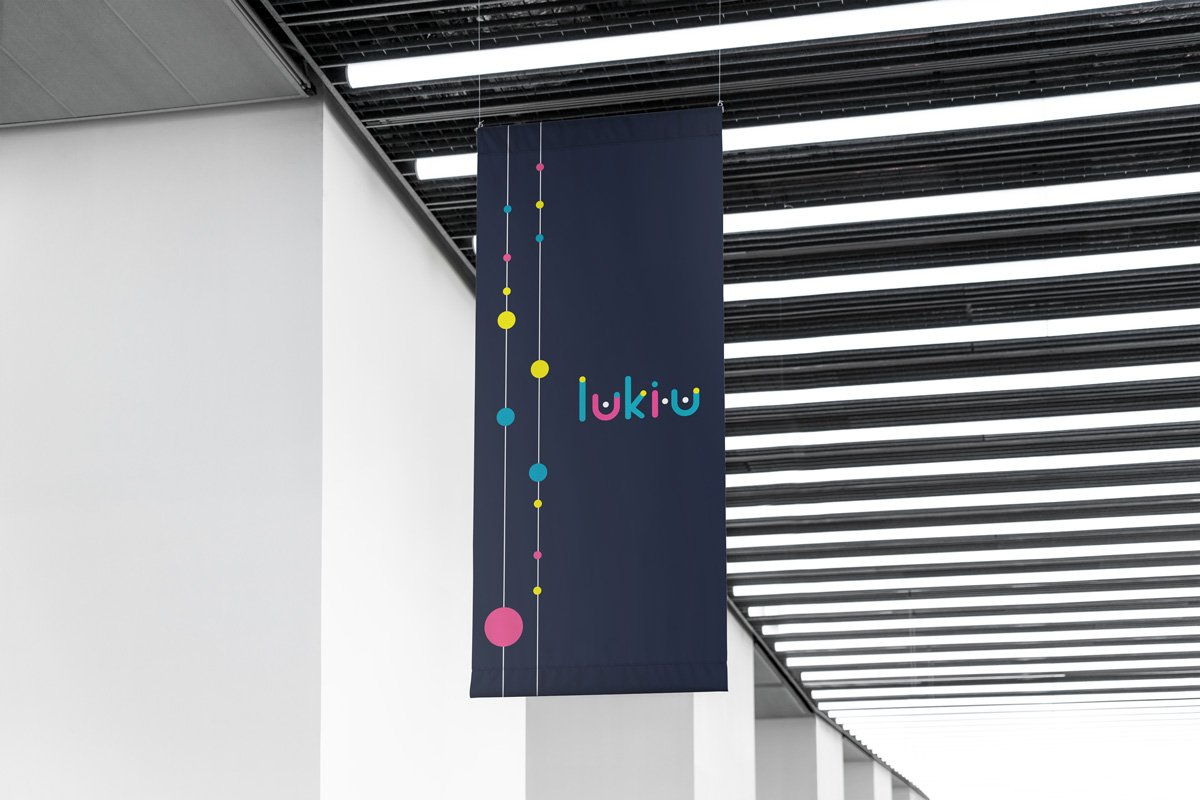
Luki·u
A fun design studio in Bogotá needed a brand that felt like them: playful but considered. We built the full visual identity from scratch. Color system, typography, signage, stationery. The result was a brand immediately recognizable and hard to imitate.
Full identity system: naming context, color palette, typeface selection, signage system, and printed stationery.
Project 04 / 05
Video · Corporate · Berlin
Blinkist
Blinkist needed a cultural onboarding video for new hires. Not a company explainer. Something that showed who they actually were. We scripted, directed, and produced it in-house. It became part of their standard onboarding process.
90%
Positive feedback from new hires
1
Video. Still in their onboarding today.
Project 05 / 05
Web Design · Photography · Berlin
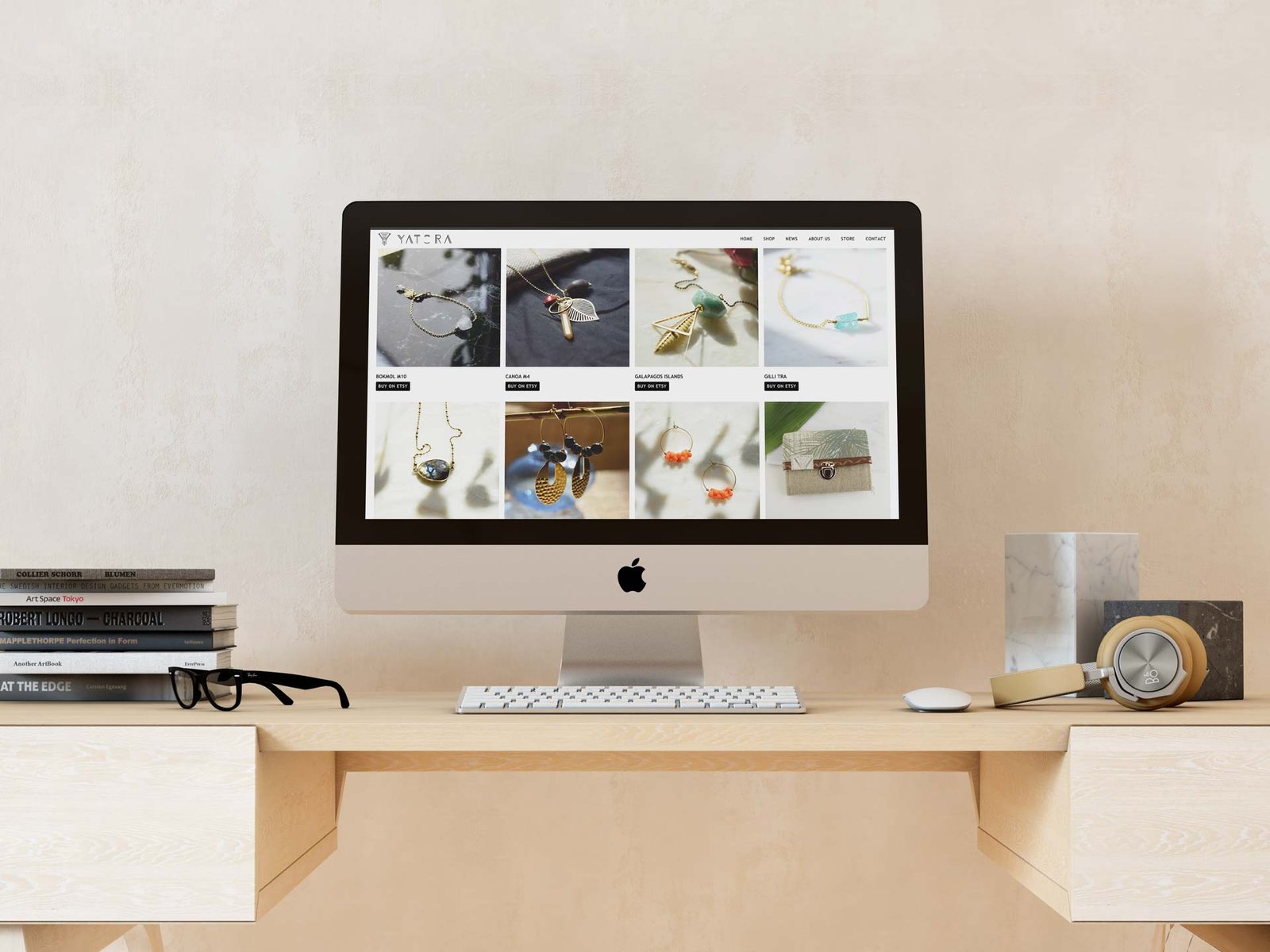
Yatora
Yatora sells exotic handmade goods. They needed a web presence and product photography that matched the quality of what they make. We delivered both: clean custom WordPress and a full product shoot.
Custom build. No templates. Photography and web delivered as one integrated brief.
How it worked
01
Brief to sign-off ownership
I owned every engagement end to end. Discovery, scope, creative direction, production, delivery, and sign-off. No handoffs without full context. No dropped balls between stages.
02
Distributed team, no delays
Managed designers, developers, photographers, and videographers across Spain and Germany. Tight deadlines, clear ownership per task, and a culture of just getting it done.
03
Clients who came back
60% repeat business is not luck. It comes from accurate estimates, honest communication, and delivering what you said you would. Clients returned because they knew what to expect.
04
No templates. Always from scratch.
That was the rule. Every brief approached fresh. It was slower and more expensive to run that way. It was also the only thing that kept the quality consistent across nine years.
Clients & collaborators
BlinkistFruehstueck 3000Il SagrantinoChichaYatoraLuki·uBasementC&S Club DivineStudio CBaldonFriends Space
"Running a studio for nine years gave me something most people don't have: I've felt the full weight of delivery. I know what it means when a deadline slips, scope creeps, or a client loses confidence. That experience shapes everything I do now."
Product Manager / Product OwnerPM Tooling · AI InitiativeEnterprise SaaS · Berlin · 2024
Signal: Feedback Routing
P1s were sitting in the queue for 72 hours. The same feature request arrived five different ways and never hit the roadmap. I mapped where the signal was dying and built the routing layer to stop it. Misroutes dropped 70%. Urgent issues now land in under a day.
SIGNAL
70%
Fewer misrouted tickets
<24h
Signal to action time
4 teams
Aligned on one taxonomy
30%
Faster resolution time
At a glance
// my role
PM, full ownership
From audit to live adoption. No delegation.
// how I framed it
Process problem
Not a tooling gap. A shared-language gap.
// first sprint decision
No UI in v1
Behavioral change before product build.
// north star
<24h SLA
Signal-to-action. Measurable from day one.
// shipped in
2 sprints
Adopted by all four teams in week one.
Before Signal (reality)
On a contact-center platform, tickets arrived as raw text from Zendesk/Intercom, Slack, and email. Every one meant jumping into Kibana/Grafana to reproduce, then tailoring the handoff: Eng wanted logs + repro, PM needed a story, CS needed KB updates. Resolution times stretched, delays piled up, PM visibility stayed low.
The problem
// channels
Signals everywhere
Zendesk, Slack, email, PM DMs. No single intake and no shared format.
// ownership
Wrong teams, slow action
Engineering got UX nits, PMs got crash reports. P1s sat 72 hours before anyone saw them.
// dilution
Value got lost
The same feature request arrived five different ways and never reached the roadmap because it looked different every time.
"The routing problem wasn't technical. It was structural. We didn't need a new tool; we needed a shared language for classification and a clear routing contract between teams."
What we learned
63% misrouted. Audit of 200+ tickets showed delay was routing, not info quality.
Language first. The same issue showed up as a bug, a feature, or a docs request, so we set one taxonomy.
Small beats perfect. Four categories, three severities cut resolution time 30% before automation.
Before → After
The before state: invisible chaos. Work happened but not in order, not by the right people, not fast enough. The after state: one contract, one intake point, deterministic routing.
The Design: Three Layers
Layer 1: Governance and Taxonomy
Four categories, three severities, one owner per combo. Published as the Signal Contract and signed by Eng, PM, CS, and Design.
Layer 2: Model-backed classification
Small in-house classifier checks the ticket, suggests taxonomy + severity, and adds a one-line rationale so the receiving team acts without clarifying.
Layer 3: Distribution via Slack and Jira
Slack handoffs with rationale + confidence; P1s open Jira automatically. Everything is logged so humans can override quickly.
Flow with escalation
Intake. Signal classifies intent/severity and auto-requests missing repro/version/logs from the client.
Routing. Bug → Eng (logs + repro + GitLab issue). Feature/pattern → PM (story + frequency score). Docs/how-to → CS (KB + self-serve). Missing info → back to client.
Escalation. P1 triggers lead + PM, SLA clock, client updates every 2h; 48h with no fix escalates again.
Validation. CS confirms fix, repeat-ticket trend in Kibana, PM checks if the pattern died.
Live routing demo
Signal · Live Routing DemoModel-assisted
These are real ticket types from the support queue. Pick one to see how Signal classifies and routes it, or write your own. The classifier runs the same logic used in production.
Try different types to see the routing logic in action.
The Decision: Process Over Product
We skipped a new UI. Instead: Slack workflow + tiny classifier + Notion contract running on signals. Built over two sprints, adopted in sprint three, now feeds the backlog every week.
Why this trade-off was right
The core value of Signal is behavioral change: getting four teams to use a shared language and trust a shared routing decision. That is a change management problem first, a tooling problem second. A polished internal product would not have solved the adoption challenge any faster.
Adopted by all four teams in the first week, zero training required
Engineering backlog quality improved in the next sprint cycle
Support started seeing clear feedback handoffs instead of dropped tickets
When I would build the full product
Signal v1 was the right scoping call. A full product makes sense once the taxonomy has proven stable across 3+ months, teams are asking for analytics on signal trends, and there is a business case for extending routing to external channels.
Analytics: trend visualisation across ticket categories over time
Multi-channel ingestion: email, forums, NPS, community chat
Three decisions shaped Signal. Each one is the kind of call a PM has to own. No committee, no consensus. Just a clear reason and the willingness to defend it.
Decision 01
Taxonomy before tooling
I refused to build anything until we had a shared classification schema. Four teams agreeing on four categories and three severities took two working sessions. Without that contract, any tool we shipped would have routed differently for each team. We would be back where we started within a month.
Decision 02
No UI in version one
The instinct was to build a dashboard. I killed it. The value Signal had to prove first was behavioral: could four teams actually follow a shared routing contract? That question doesn't need a dashboard. It needs a Slack workflow and two weeks of data. We shipped the dashboard in v2, on top of clean data, not dirty guesswork.
Decision 03
I wrote the spec myself
The routing rules, severity thresholds, and Jira field mapping were written by me, not engineering. It was not my job in the strict sense, but vague specs create slow sprints. When the PM removes ambiguity before standup, engineers ship faster. That is a trade I will always make.
The Result: Quantified Impact
70%
Fewer misrouted tickets: from 63% down to 12%
<24h
Signal to action: down from 5+ day average
4/4
Teams adopted the taxonomy within week one
2 wks
Idea to full adoption, no sprint capacity spent
Signal was never a product. It was a system of agreements backed by just enough automation to make those agreements stick.
Brand Identity · Logo DesignMarketing Design · Visual SystemLengoo · Berlin · 2021 to 2024
HALOS Console Brand and Design
I built the HALOS Console brand from scratch: logo, color system, and marketing materials. Then I applied that visual language across the product, website, and sales assets so everything felt like one coherent system.
BRAND
1
Brand built from zero
3
Core brand colours
360°
Applied across product & marketing
9yr
Design & brand background
The Brief
HALOS Console was Lengoo's enterprise AI platform. The tech was strong, but it had no visual identity. It needed a brand that worked in product UI, marketing, sales decks, and external comms while still feeling credible to enterprise buyers.
I owned this end to end: positioning, logo construction, color system, and applied assets. No agency. Built in house from concept to production.
Final Wordmark
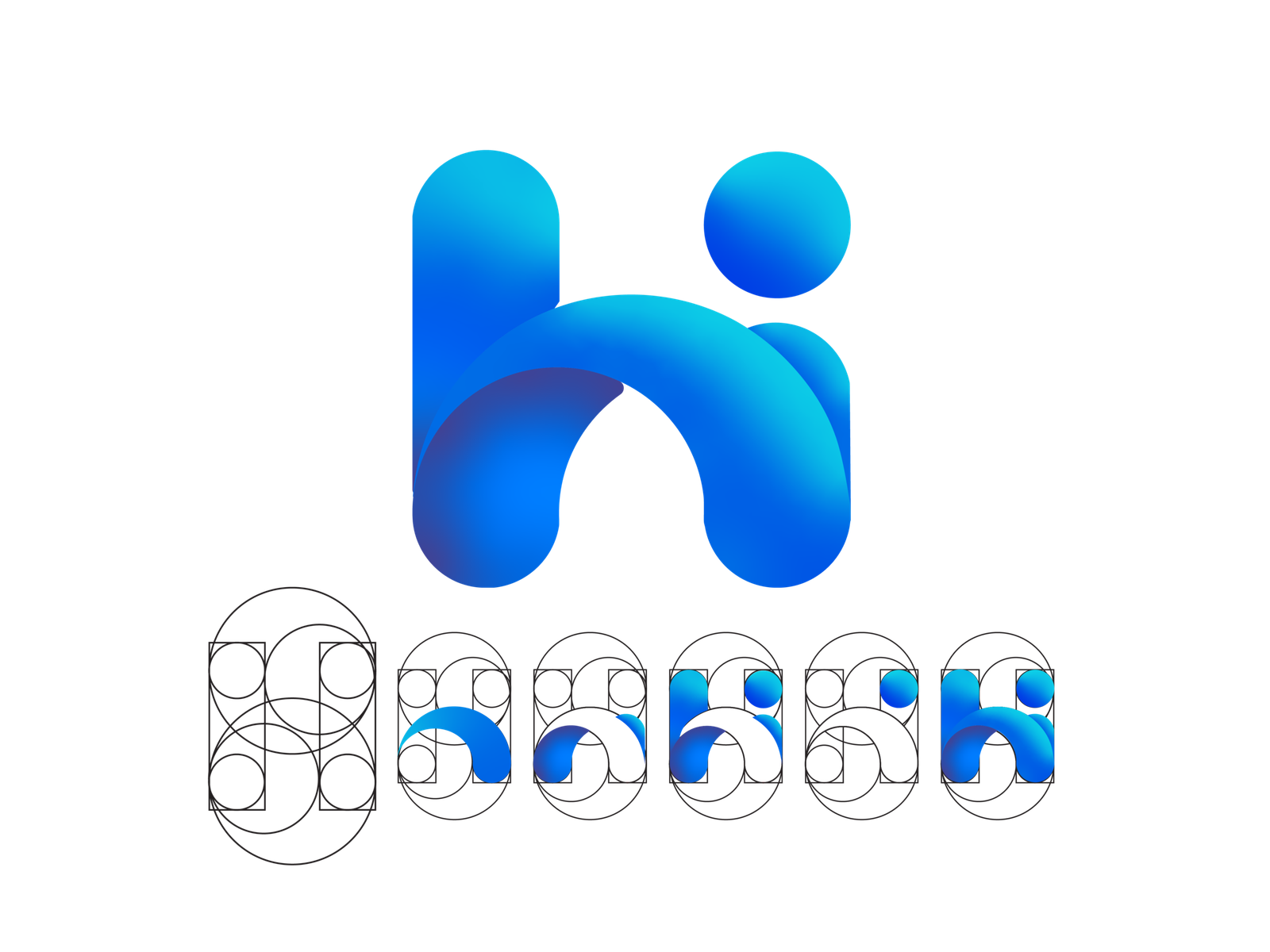
The primary brand expression: the "hi" icon paired with the HALOS Console wordmark. Designed to work at any scale, from product UI to marketing.
Final Wordmark
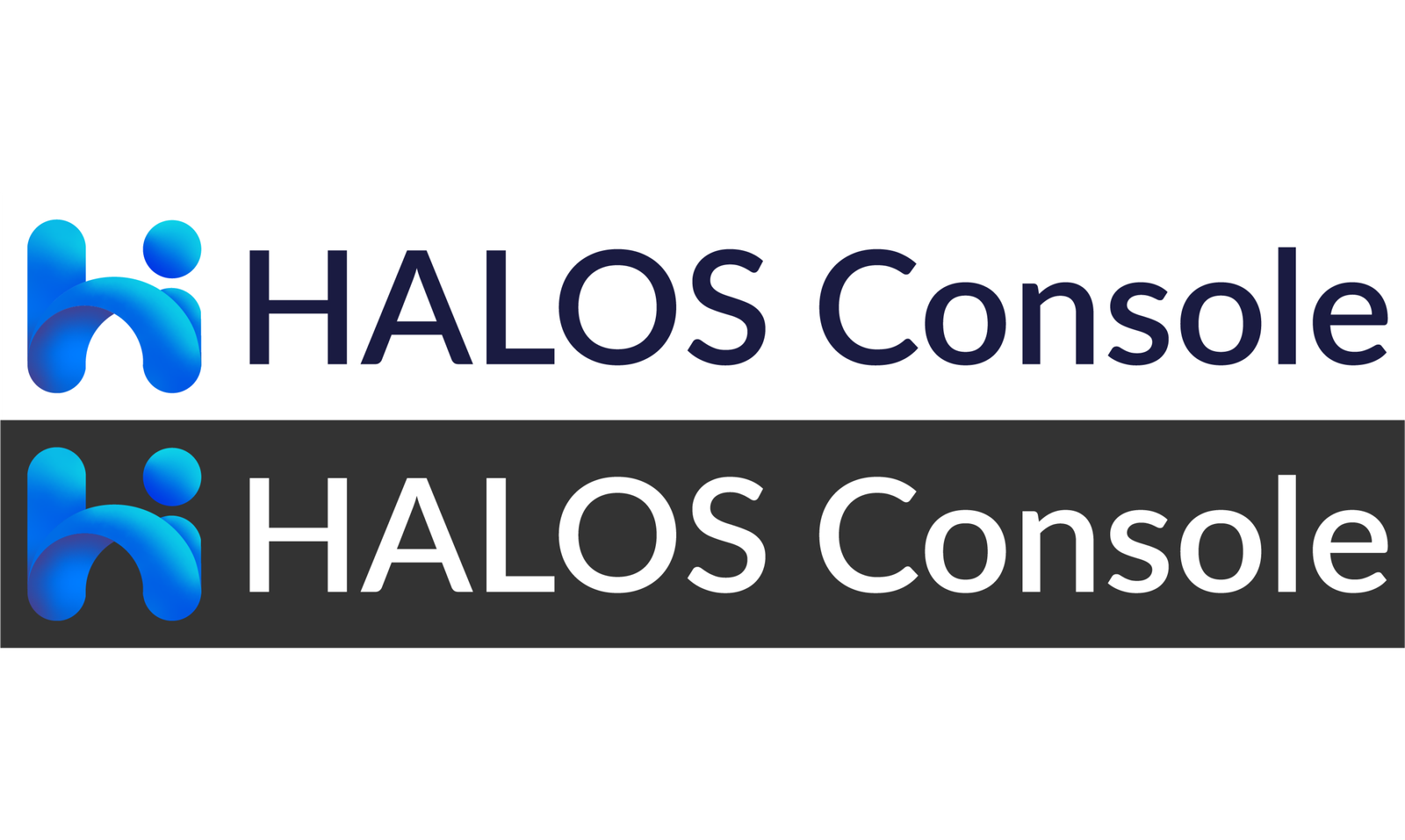
Light & Dark Variants
The logo works on light and dark surfaces. Both versions use the same icon. Only the wordmark color changes so it stays legible everywhere.
Logo Variants
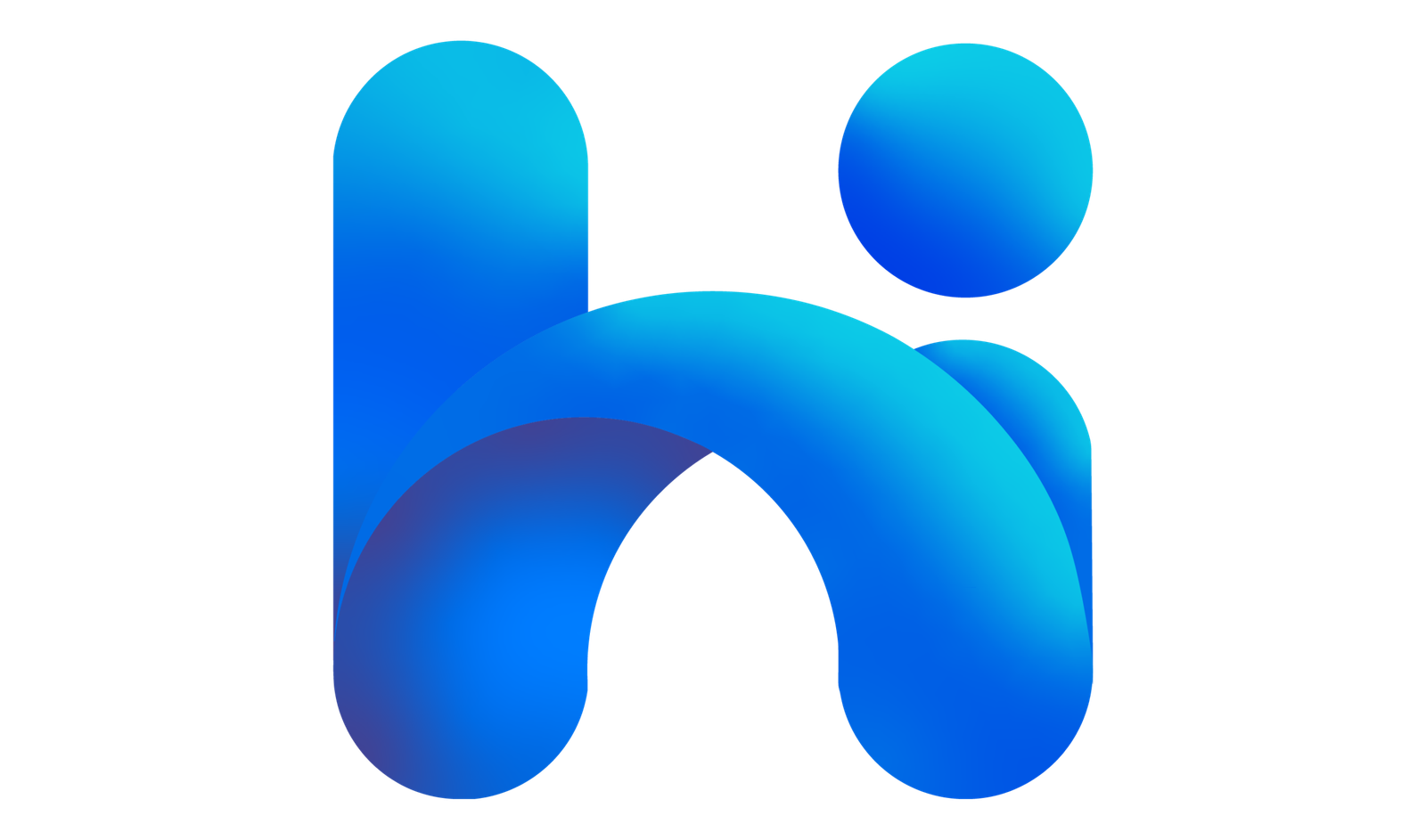
Icon Mark
The "hi" icon works as a standalone mark for small formats like product UI, favicons, app icons, and social. It is built on a geometric grid so it scales cleanly from 16px upward.
Icon Mark
Design Process & Construction
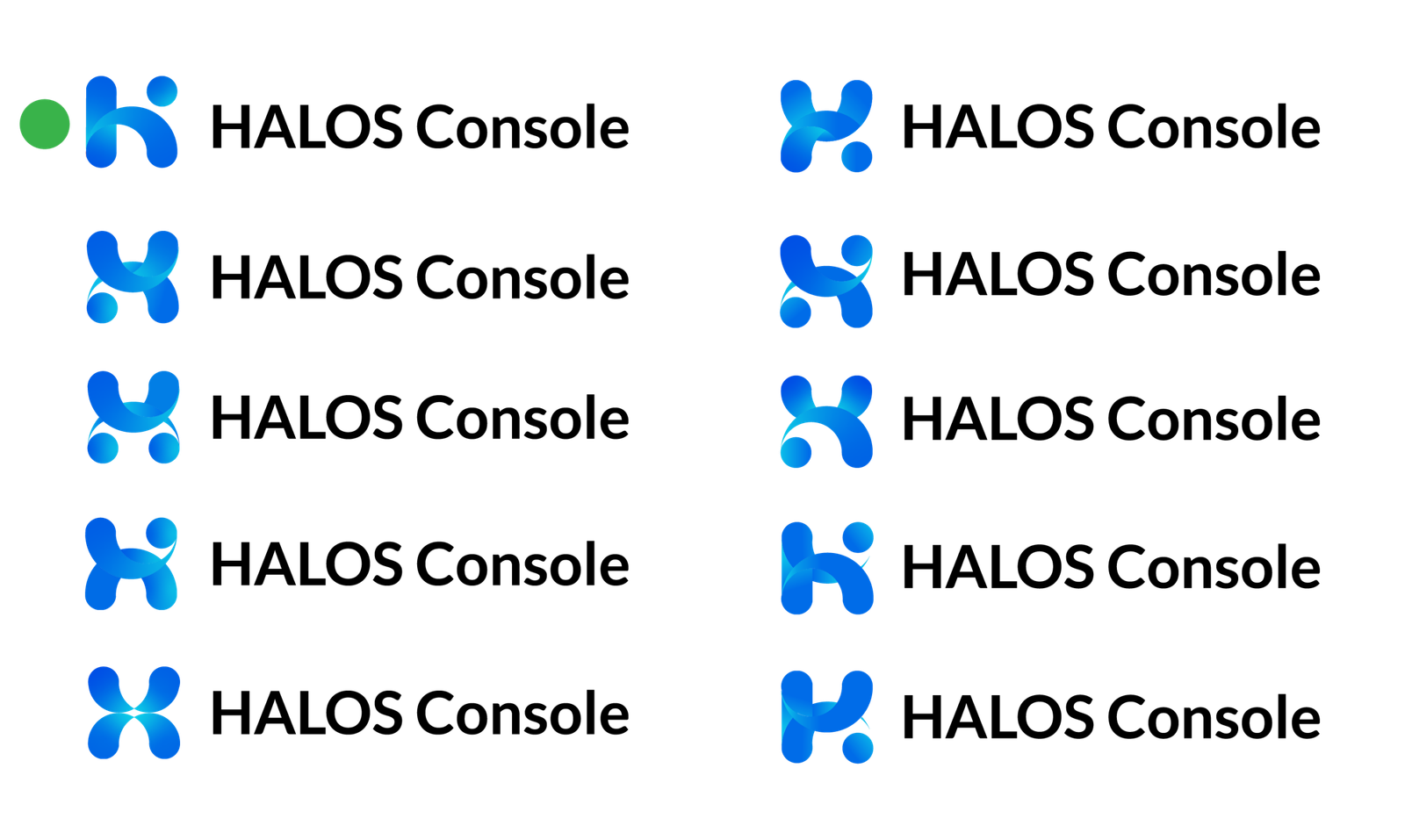
The logo went through an exploration phase with geometric construction systems, gradient directions, and letterform variations. The construction grid shows how the curves and proportions come from the same circle geometry.
Construction Grid & Design Iterations
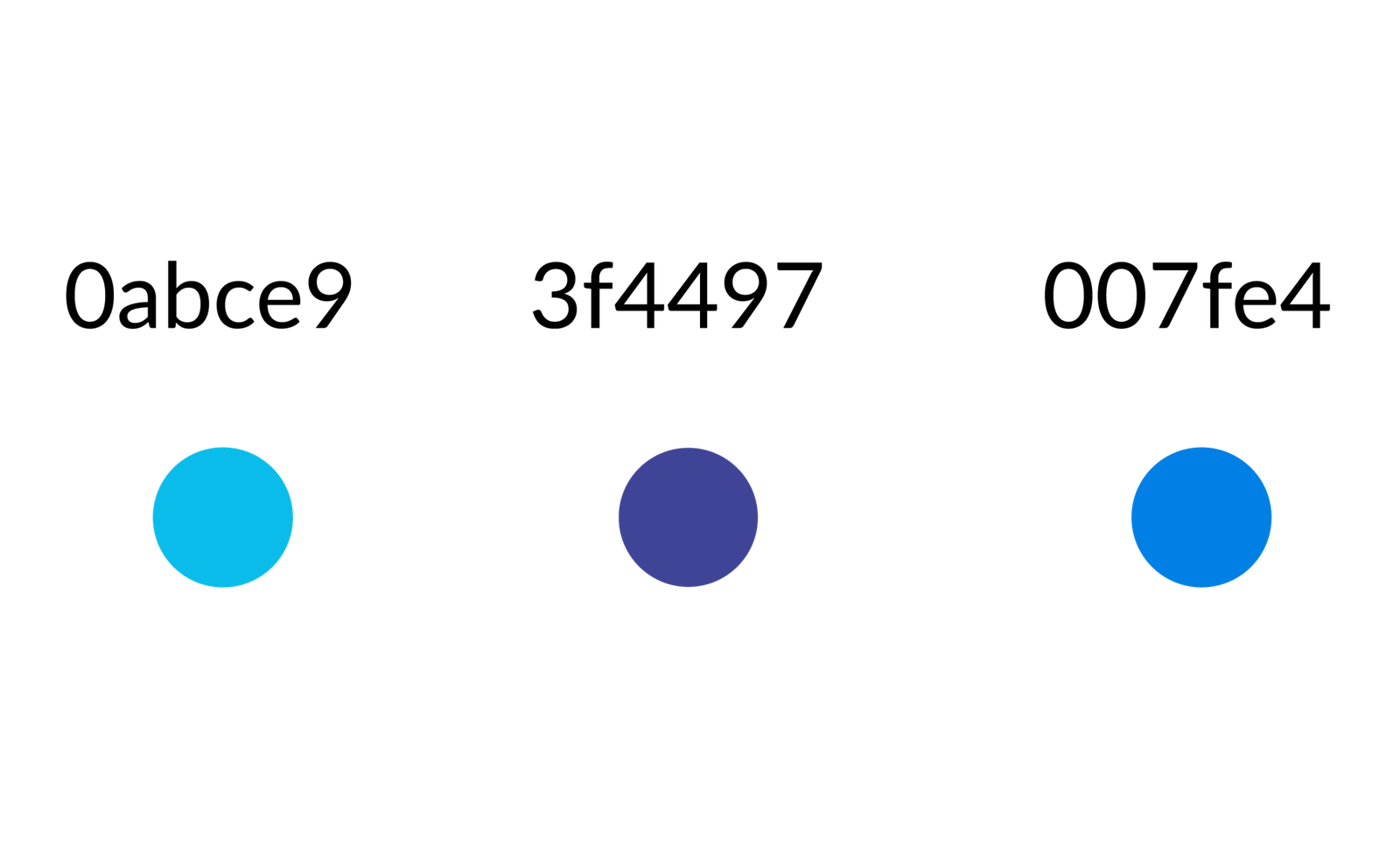
Colour System
Three primary brand colors, each with a role. Cyan (#0abce9) for energy, navy (#3f4497) for trust, and blue (#007fe4) as the connector. Together they work across UI, print, and digital.
Brand Colors
Why This Matters for Product
Building a brand from scratch forces decisions to be intentional. Color had to work in a data table, a loading state, a marketing headline, and a small icon badge at the same time. That constraint driven thinking is exactly how I approach product design.
The same visual system became the foundation for the HALOS Console product UI: color tokens, type hierarchy, and icon style. Brand and product were not separate workstreams. They were one.
"A brand is not a logo. It is a set of decisions that makes every touchpoint feel like it came from the same place, from the favicon to the sales deck. I built that system for HALOS Console and then shipped the product on top of it."